June 23, 2026
Soybeans top $12, nitrogen tops $865 — clock's ticking
New-crop beans crack $12, anhydrous bites at $865/ton, ARC/PLC window shuts Aug 31.
Morning, boss. Two numbers matter today: new-crop soybeans at $12/bu — a forward-pricing window — and anhydrous at $865/ton, up ~15% year-over-year — a hole in your input bill. Your ARC/PLC base acre review shuts August 31. Miss it and you lock in your safety net blind. Five minutes. Let's pencil it out.
Quick Bites
🌦️ Field check. Mid-June is critical — corn in rapid veg growth, soybeans setting canopy. Scout soil moisture and pest pressure now, before pollination locks in your yield ceiling.
⛽ Inputs. Seven of eight major fertilizer categories posted increases this spring — nitrogen, phosphorus, and potash all up at once. No pre-priced nitrogen means your in-season 2026 bill is the one that stings.
📡 Tool. Drone scouting compresses a half-day field walk to under 30 minutes — faster detection means less treatment lag and less yield bleeding out while you wait.
✅ Try this. No pre-priced nitrogen? farmdoc's three-lever playbook: trim application rates, switch to anhydrous ammonia, shift to post-plant application.
🐂 Herd note. USDA lowered its 2026 beef production forecast — tighter supply from herd rebuilding and lower placements supports fed-cattle cash prices into the second half. Factor that into your marketing dates.
On the Farm Today
Here's what's on the board:
- 🌧️ ARC/PLC base acre review is open — clock runs out August 31.
- 🌾 New-crop soybeans cracked $12 while beef supply tightens.
- ⛽ The Iran conflict put a premium on every ton of nitrogen you haven't booked.
- 📡 A precision-ag study puts real ROI numbers on guidance and variable-rate gear.
- 💵 June FSA rates are set, and government payments are forecast sharply higher.
Your ARC/PLC Review Window Closes Aug 31 — Don't Lock In Your Safety Net Blind

USDA's base acre review window is open June 1–August 31, 2026 — miss it and you can't optimize your safety-net elections before next crop year.
It shuts hard on August 31. No extensions.
Why it hits your margin:
- Election timing. Skip the review and you're locked into current elections for the next crop year — no adjustments allowed.
- Crop insurance is shifting. The 2026 Farm Bill (H.R. 7567) raises premium subsidy rates under the Federal Crop Insurance Program and changes veteran-farmer eligibility for higher subsidies.
- Programs run through 2031. Core USDA commodity programs are extended through 2031 under H.R. 7567 — the safety net stays, but the rules change.
One fight to watch — the livestock interstate commerce provision:
- 🔴 Would override state animal-welfare standards, including California's Prop 12.
- 🔵 The preemption clause is heavily litigated, with multi-state revenue implications for pork producers.
💡 Why it matters: ELAP livestock weather-loss assistance is ongoing, but the base acre review is a fixed window. This is a coverage decision before it's anything else — handle it before August 31.
Bottom line: Put your FSA review on the calendar now and confirm your ARC/PLC elections before the deadline.
New-Crop Soybeans Top $12 — A Forward-Pricing Window Just Opened
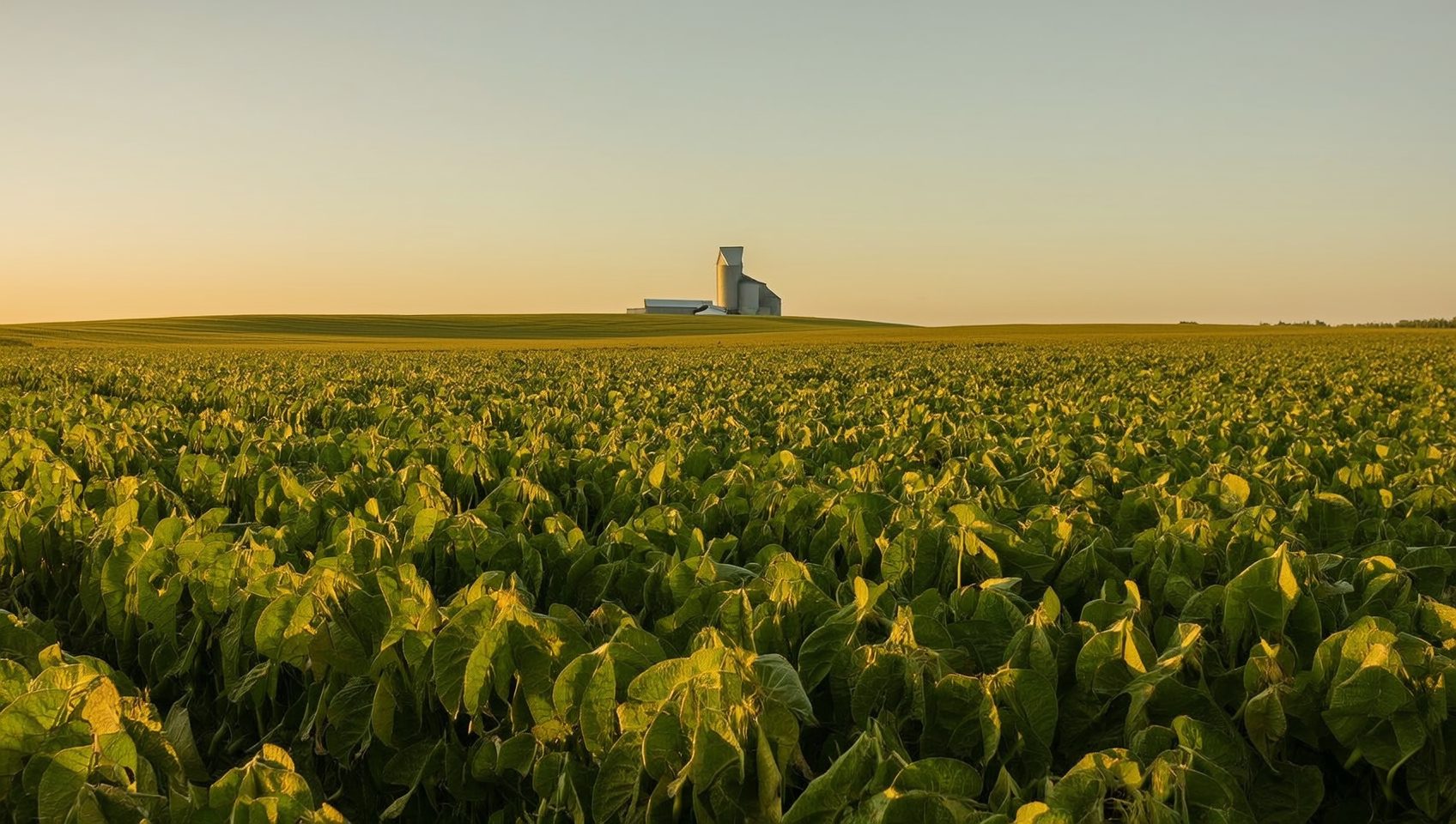
USDA raised 2026/27 soybean crush by 120M bu and exports by 100M bu, tightening ending stocks to 310M bu and pushing new-crop futures past $12/bu.
Demand is doing the lifting. It's showing up on the board.
Why it hits your margin:
- Forward-pricing window. New-crop futures above $12/bu — pencil out what a forward contract does to your breakeven before the combine rolls.
- Product values are firm. Soybean oil is at its highest since 2021/22, with soymeal at $310/ton — that's what's pulling crush demand.
- Cattle add a second bright spot. USDA lowered its 2026 beef production forecast; tighter supply from herd rebuilding supports fed-cattle cash prices in H2 2026.
💡 Why it matters: Two revenue lines — beans and fed cattle — have firm fundamentals at the same time. Verify the direction before you commit bushels or marketing dates.
Bottom line: Check ERS's monthly livestock and meat trade data to confirm the export signal, then decide how much new-crop you're comfortable forward-pricing.
Iran Conflict Put a Premium on Every Ton of Nitrogen You Haven't Booked
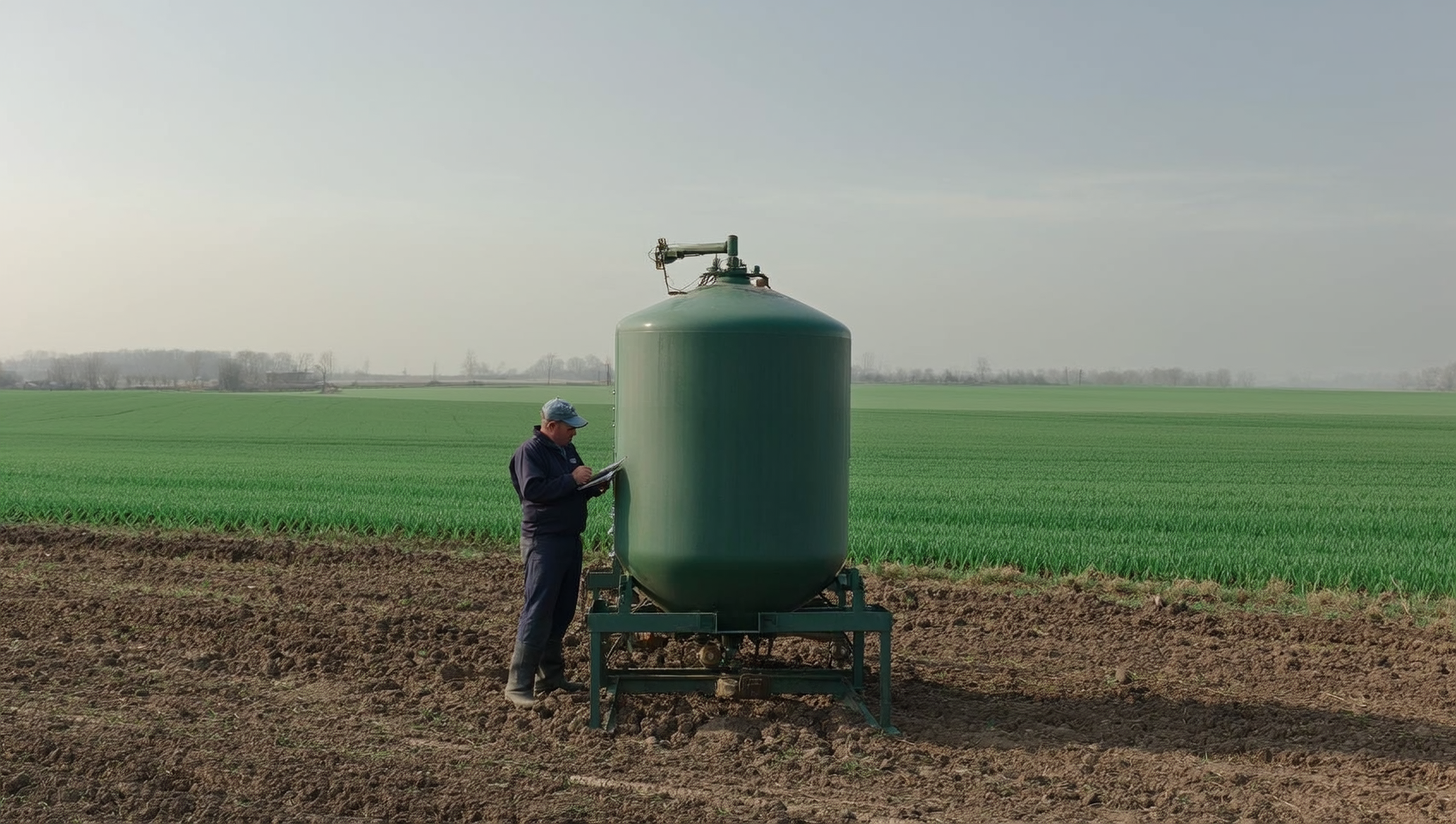
Farms without pre-priced nitrogen face higher in-season 2026 costs, and every operation is projected to pay more going into 2027 planting.
Anhydrous ammonia averaged $865/ton in late February 2026 — up about 15% year-over-year — before the Iran conflict added more pressure.
Why it hits your margin:
- No hedge, full freight. Didn't pre-price? You're buying in-season at the top — that bill comes due before your check does.
- It's broad, not isolated. Seven of eight tracked fertilizer categories posted increases; nitrogen, phosphorus, and potash are all higher at once.
- 2027 is already loaded. All farms face higher nitrogen costs into next year's planting — this isn't a one-season problem.
Three levers to pencil out (farmdoc daily):
- Trim application rates where your agronomics allow.
- Switch to anhydrous ammonia as a lower-cost N source.
- Shift to post-plant application to manage cash-flow timing.
💡 Why it matters: Your nitrogen bill lands before the grain check. Close that gap by managing rate, source, and timing together.
Bottom line: Pencil all three levers against your yield goal before you book the next load.
New Study Puts Real ROI Numbers on Precision Ag — Here's Where It Pays
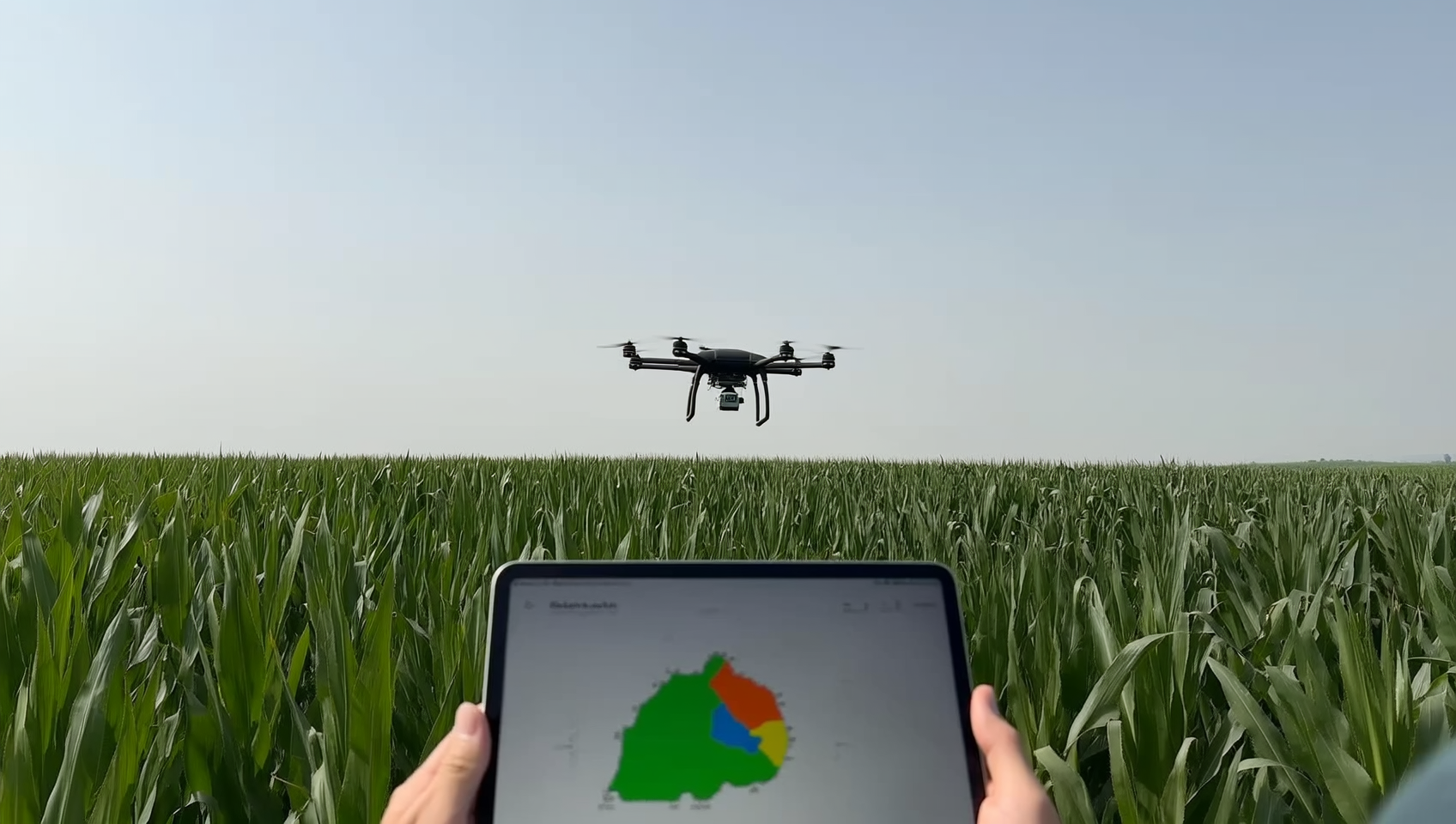
An AEM study puts measurable productivity gains and input-cost cuts from precision ag on paper — and gives you a framework to judge whether the hardware pays.
With nitrogen and every other input climbing, gear that trims waste earns twice.
Why it hits your margin:
- Documented input cuts. The study tracks reductions in fertilizer, herbicide, and water use — the same lines squeezing your budget right now.
- An ROI framework you can use. It lays out how to assess returns on GPS guidance, variable-rate application, and sensor investments before you buy.
- Scouting time is money. Drone scouting compresses a half-day field walk to under 30 minutes — real accounts from Michigan production farms.
💡 Why it matters: Faster pest and disease detection means less treatment lag and less yield loss. When inputs are this expensive, applying them only where they're needed is the whole game.
Bottom line: Run the ROI framework on one tool — variable-rate or a scouting drone — against this year's input prices before you commit.
June FSA Rates Are Set — and Government Payments Are Forecast Sharply Higher
FSA's loan interest rates took effect June 1, 2026, with the Farm Operating Direct loan at 5.000% — and direct government payments are forecast at $44.3B for 2026.
Current FSA rate sheet:
- Farm Operating Direct: 5.000%
- Farm Ownership Direct: 5.875% (Down Payment program: 1.875%)
- Emergency Loan: 3.750%
Why it hits your cash cycle:
- Payments are climbing. The 2026 direct government payment forecast of $44.3B is up $13.8B from 2025 — driven by OBBBA/Title I commodity outlays.
- Crop insurance got cheaper to layer. SCO/ECO area-plan premium subsidies are at 80% — area-plan premium volume surged 244% in 2025 as operators noticed.
- The history is there. Area plans returned $1.54 per $1.00 of premium paid on the 2022–2024 average — past performance, not a promise, but worth penciling.
💡 Why it matters: Cheaper subsidized coverage plus higher program payments changes your risk math heading into fall. Model the payment first, then decide how much operating line you actually need.
Bottom line: Run the numbers on your operating line before fall commitments stack up.
🧭 How to choose used-equipment financing for a tractor or combine purchase?
For a typical row-crop or livestock operation replacing or adding a used tractor or combine, Farm Credit / AgDirect is the strongest structural fit: the delayed-payment option (up to 15 months reported) aligns the note's early period with the gap between purchase and first harvest or livestock sale, the rate range is calibrated for ag borrowers, and the program covers dealer, auction, and private-party purchases. Operators buying from a dealership under time pressure should also check whether dealer financing is available on that specific unit — if a promotional rate applies and the unit qualifies, the combined speed advantage can be meaningful. USDA FSA is the right path for beginning farmers or those who have been declined elsewhere, with the tradeoff of a longer process.
💡 Bottom line: If buying at auction or private party and needing seasonal repayment flexibility, pursue Farm Credit / AgDirect; if the unit is at a dealership and you need a decision today, explore dealer financing first; if buying privately and want refinancing optionality, start with your bank or credit union; if you have limited credit history or prior commercial turndowns, apply to USDA FSA.See all 4 compared →
Presented By
Presented by Farmer.news
So You Don't Miss a Beat
- Important USDA Dates for Producers — The ARC/PLC base acre review window and the full program calendar.
- New Crop Soybeans Top $12 — Tighter ending stocks and rising crush behind the rally.
- USDA Lowers 2026 Beef Production Forecast — Why fed-cattle cash prices have support into H2.
- Fertilizer Cost Increases from the Iran Conflict — The nitrogen squeeze and three ways to manage it.
- Seven of Eight Major Fertilizers Are Higher — The $865/ton anhydrous anchor and broad price gains.
- The Business Case for Precision Agriculture — AEM's ROI framework for guidance and variable-rate gear.
- Current FSA Loan Interest Rates — The June 1 rate sheet for operating, ownership, and emergency loans.
- Crop Insurance in 2026: Rethink Your Risk Strategy — SCO/ECO subsidies at 80% and what it means.
Farmer Pulse
So You Don't Miss a Beat
Useful Today?
Farmer.news is a marketplace, not a lender. Sponsor and vendor content is always labeled.