Refinancing 2022 farm equipment notes in 2026: where the math works and where it doesn't
A meaningful share of farm equipment debt on the books was originated in 2022 at rates that priced in a different cycle. The refi math, the categories where it pays, and the closing-cost traps that quietly kill the savings.
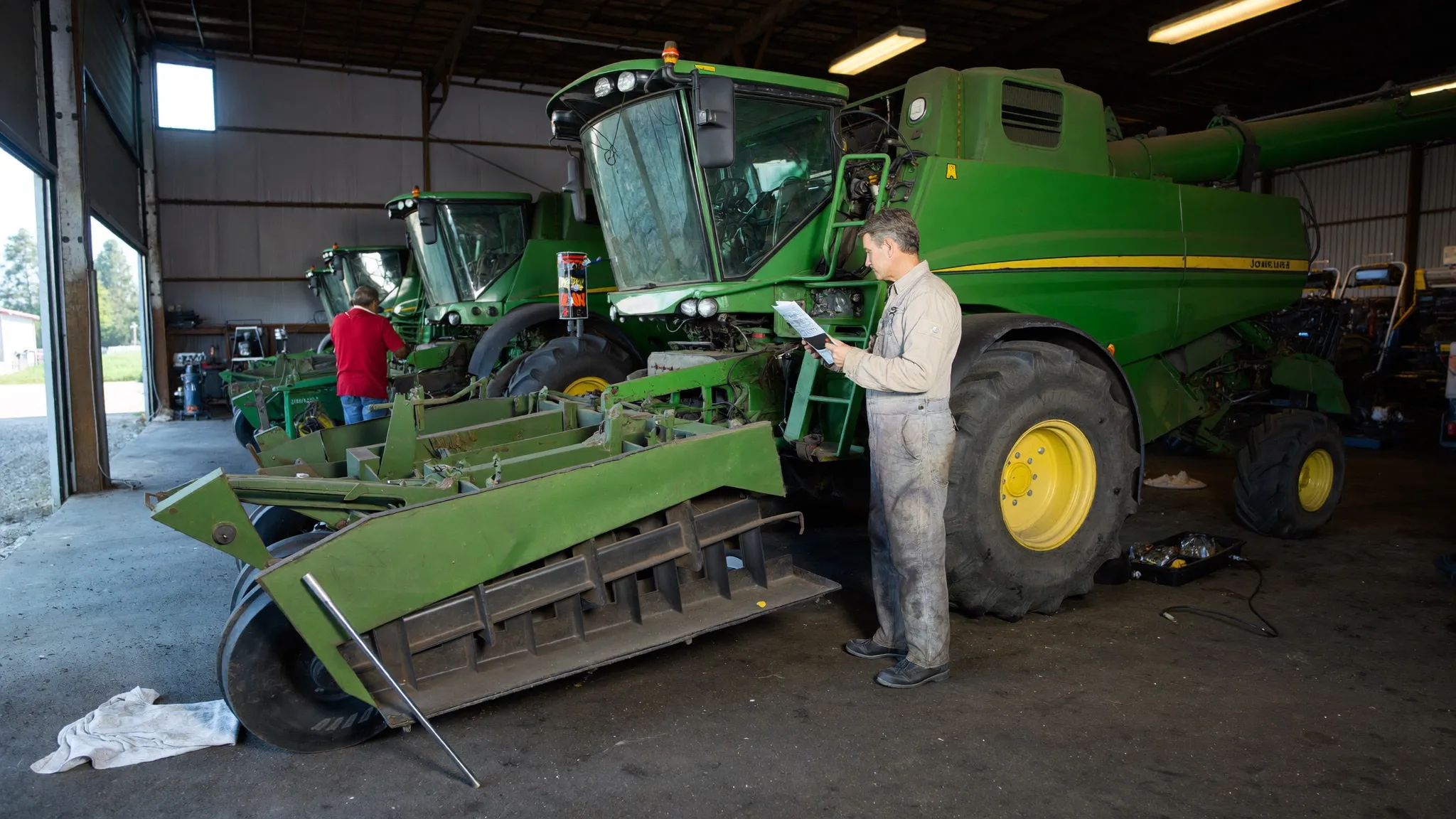
A substantial share of farm equipment debt currently on operator balance sheets was originated in 2022 and 2023, at rates that reflected the peak of the post-pandemic capital cost environment and the equipment-demand surge that came with it. Equipment notes from that vintage commonly carry interest rates in the 9 to 13 percent range — meaningfully above where comparable equipment can be financed in mid-2026.
For producers two or three years into 60-month equipment notes from that vintage, refinancing in 2026 is often the most consequential single financial decision available to the operation. The math is real, but it’s also specific — and the rate compression case turns on three numbers that most producers don’t track carefully enough.
The 2026 equipment rate environment
Equipment financing rates in mid-2026 are landing as follows for established producers with clean credit and meaningful equity in the underlying asset:
- New tractor and combine notes: 6.5 to 9 percent on 60 to 84-month terms
- Used equipment: 7 to 11 percent depending on age, hours, and asset class
- Irrigation systems (pivots, pumps, drip): 7 to 11 percent on 7 to 10-year terms via irrigation equipment financing specialists
- Specialty equipment (sprayers, planters, hay equipment): 7.5 to 11 percent
A 2022-origination note at 11 percent commonly has between 200 and 450 basis points of rate-compression opportunity, depending on the asset class and the operator’s current credit profile. That’s meaningful but not unlimited.
The math that determines whether refi pays
Three numbers actually drive whether an equipment refi clears.
Available rate compression. The new rate has to be enough below the existing rate to cover both the closing costs and the time cost of running through underwriting. The rule of thumb is that a refi typically needs to deliver at least 150 to 200 basis points of compression to be clearly worth doing. Below that threshold, the savings often get eaten by closing costs and the operator’s time.
Equity in the asset. Refi underwrites on the current value of the underlying equipment, not the original purchase price. A 2022 combine that was purchased at $580,000 may carry a 2026 market value closer to $450,000, depending on hours and condition. If the remaining payoff on the original note is $390,000, the operator has $60,000 of equity to refi against — that works. If the payoff is closer to the market value, the refi math gets harder and the operator may need to bring cash to closing.
Prepayment penalty on the existing note. This is the one most operators don’t check carefully. Some 2022-vintage specialty equipment paper carried prepayment penalties in the 2 to 5 percent range on the remaining balance. On a $390,000 payoff, a 3 percent prepay penalty is $11,700 — which can absorb a meaningful share of the rate-compression savings if not factored into the decision upfront.
Run the actual numbers — including the prepayment penalty, closing costs, and the new payment schedule — through a monthly payment calculator for farm loans before committing. The refi that looks like a $300 monthly improvement on paper sometimes pencils as a $80 monthly improvement after fees, which is rarely worth the operator’s time and risk.
Where the math reliably works
Three equipment categories where 2022-vintage refi cleanly pencils in 2026:
Late-model tractors and combines. These hold value well, depreciate predictably, and have deep secondary financing markets that compete for refi business. A 2022 John Deere 8R or Case IH Magnum that’s mechanically sound and showing typical hours commonly refis at 200 to 350 basis points of compression with manageable closing costs.
Recent-model irrigation systems. Pivots and pump packages installed in 2022 hold value well and the specialist irrigation lender market actively competes for refi business on existing systems. The asset value is stable, the income stream is clear, and the underwriting reads cleanly.
Performance-condition specialty equipment. Late-model sprayers, planters with technology packages, and similar specialty assets refi well when the equipment is in clean operating condition. The market value is what matters more than the original purchase price.
Where refi doesn’t pay
Three situations where the math typically doesn’t clear:
Equipment nearing the end of its profitable life. A 2018 combine that was financed in 2022 against its already-aged condition is generally not the right candidate for a refi — the residual value at the end of the new note is too uncertain to justify the closing cost.
Notes already inside the last 18 months. When the existing note is near payoff anyway, the rate-compression savings on the remaining balance don’t typically clear closing costs. Run it through the calculator, but the result is usually “no.”
High-prepayment-penalty notes. A 2022 specialty paper origination with a 4 to 5 percent prepay penalty can absorb most or all of the rate-compression case. If the existing note’s prepay is in that range, the refi math probably doesn’t clear unless the rate compression is dramatic.
The discipline before signing
Two pieces of pre-refi diligence catch most of the avoidable mistakes:
Pull the actual prepayment penalty terms from the existing loan documents — not from memory or the original term sheet. The language matters, and some 2022 notes had prepay structures that decline over time, which can mean the right refi window is closer than the operator assumes.
Confirm the asset’s current market value from at least two independent sources before underwriting. A self-reported value that’s optimistic against the actual market will produce a refi that doesn’t close, after the operator has put time into the application.
A network of lenders that underwrite farm cash flow and equipment value correctly will run these numbers before quoting a rate. Generic small-business refi lenders often won’t, and the producer ends up running them after the fact.
The bottom line
Refinancing 2022 equipment notes in 2026 is real money for the operators where the math actually works — typically late-model assets with meaningful equity, manageable prepayment exposure, and at least 150 basis points of rate compression available. It’s wasted time for the operators chasing refi on the wrong assets or the wrong vintage. The pre-application discipline is what separates the two.