Atrazine review timeline pushed to summer 2026
The EPA's registration review of atrazine will not produce a final determination before June 2026, giving row-crop operators another planting season to plan around the herbicide's continued availability.
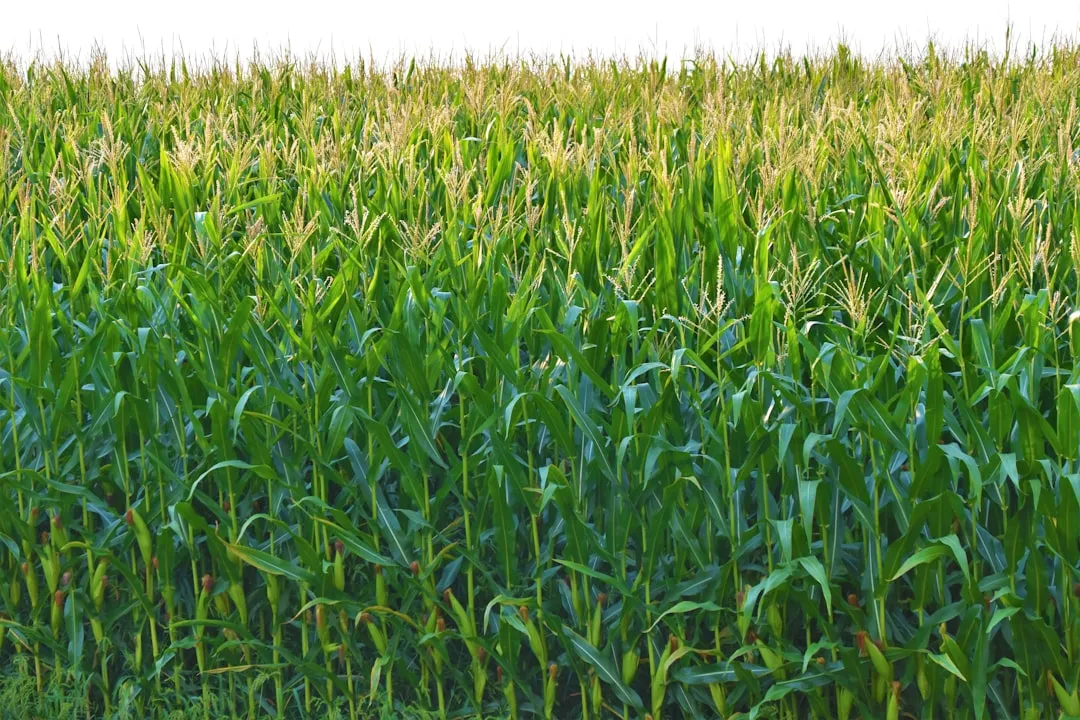
The Environmental Protection Agency has pushed its final registration review decision on atrazine to no earlier than June 2026, according to a notice published in the Federal Register last week. The agency cited the volume of public comments received during the extended comment period and the need for additional analysis of aquatic toxicity data as the primary reasons for the delay. A proposed interim decision had been expected by year-end 2025.
Atrazine is one of the most widely used herbicides in U.S. corn production, applied on approximately 60% of corn acres annually. It controls a broad spectrum of grasses and broadleaf weeds and is particularly valued in no-till and reduced-till systems where pre-emerge weed control reduces the cultivation passes needed early in the growing season. Atrazine-based products are typically among the lowest-cost herbicide options on a per-acre basis.
What the delay means for 2026
For corn producers planning 2026 inputs, the delay effectively guarantees atrazine remains a registered tool for the 2026 crop year. The EPA will not cancel or restrict use of a pesticide while a registration review is actively pending a final decision — the product remains fully available under its current label conditions until the agency acts.
That certainty allows agronomists and farm managers to include atrazine in 2026 weed management programs without planning contingencies for a mid-season restriction. It does not resolve the longer-term question, and operators who have not been thinking about weed management alternatives should continue developing those plans regardless of how the 2026 planting season goes.
The regulatory picture
EPA’s registration review process for atrazine has been running for more than a decade and has been complicated by multiple scientific and procedural disputes. The current review cycle began in earnest in 2020 and has generated significant stakeholder input from agricultural, environmental, and public health interests.
The most likely outcomes from the eventual final decision are either a reregistration with modified use restrictions — such as application rate limits in certain watersheds, revised buffer requirements near water bodies, or updated closed-system handling requirements — or a more limited reregistration with geographic carve-outs in sensitive areas. An outright cancellation of all uses would be unusual given the product’s history and the magnitude of corn acres where it is used.
State-level actions are a separate consideration. Several states have implemented their own restrictions on atrazine use near surface water — restrictions that apply regardless of the federal review outcome. Producers in Illinois, Iowa, and Minnesota should confirm current state label requirements with their extension office or ag retailer, as those requirements have been updated in recent years.