Anhydrous prices ease 12% YoY; UAN steady
Natural gas costs and increased domestic production capacity have brought anhydrous ammonia down from last winter's highs, but urea and UAN remain near year-ago levels.
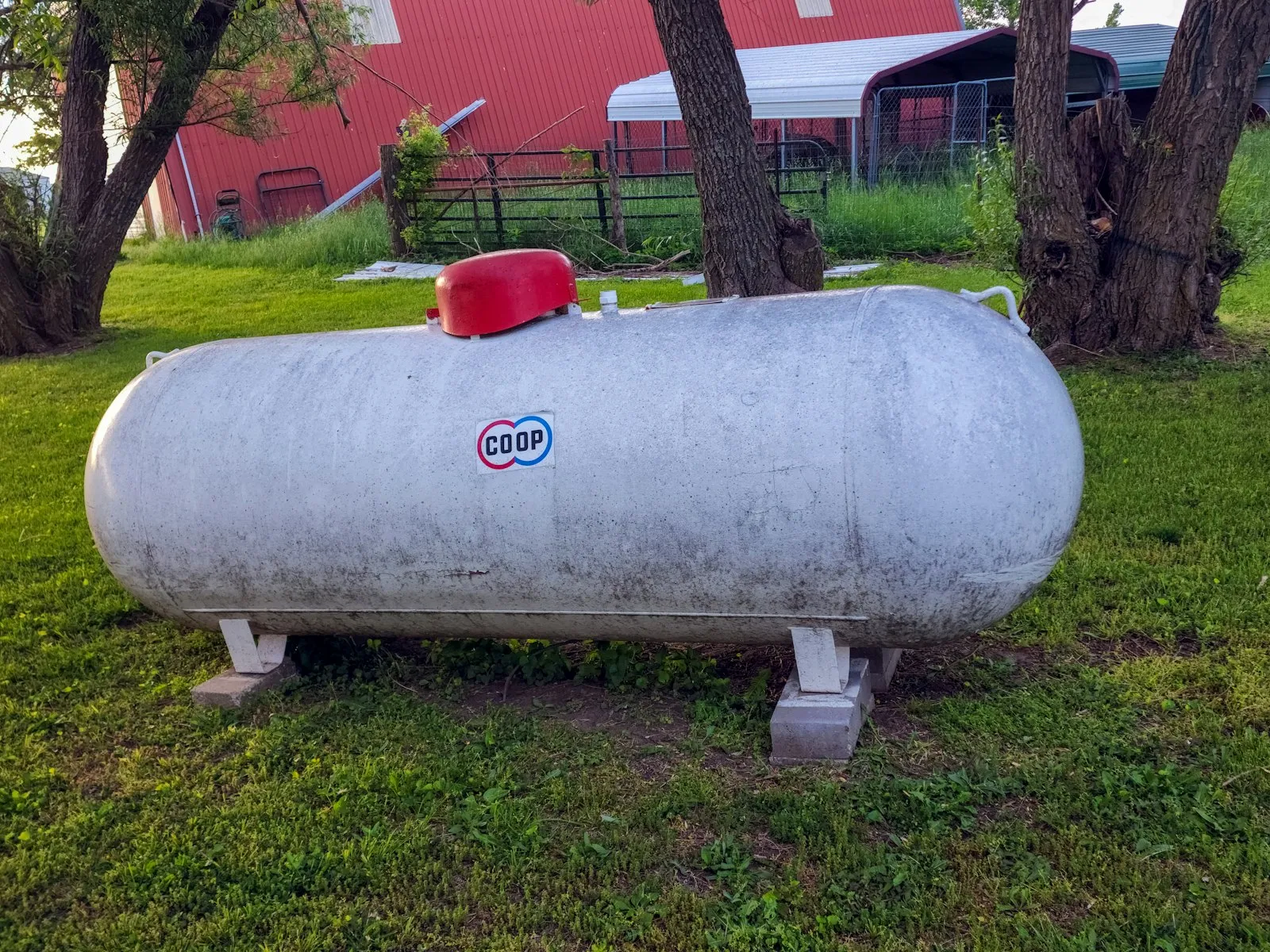
Anhydrous ammonia is trading at an average of $412 per ton in the central Corn Belt this week, according to DTN data, down 12% from the same period last year and the lowest fall fill price since 2021. The drop reflects a combination of lower natural gas feedstock costs and additional domestic production capacity that came online earlier this year at CF Industries’ Yazoo City, Mississippi, plant.
For an operator applying 150 pounds of nitrogen per acre across 2,000 acres of corn ground, the year-over-year decline translates to roughly $24 per acre less in nitrogen cost — a meaningful number against current corn margins. Fall anhydrous application remains the lowest-cost delivery method for most Corn Belt operators when fall soil conditions allow it, and the current price makes a strong case for getting it done before spring.
UAN and urea tell a different story
The nitrogen price decline is not uniform. Urea (28-0-0 in granular form) is averaging $378 per ton, essentially flat with last fall. UAN-32 (liquid 32% nitrogen solution) is at $238 per ton, also near last year’s level. The divergence reflects the fact that anhydrous ammonia prices are more directly tied to natural gas feedstock while urea and UAN prices are more influenced by global supply and shipping dynamics — areas where the cost picture has not improved as much.
Phosphate and potash prices have been relatively stable. DAP (diammonium phosphate) is trading near $462 per ton, and potash (0-0-60) is at $285 per ton — both within 5% of year-ago levels. Operators planning 2026 fertilizer programs who have not yet placed orders should note that pre-pay discounts from retailers typically peak in November and December; waiting until spring application season usually costs $25–$40 per ton in list price.
Planning the nitrogen budget for 2026
Agronomists generally recommend against treating a one-year price move as a reason to change application rates. Nitrogen application decisions should be based on soil test results, yield goals, and the expected economic optimum rate — not on whether this year’s price happened to be favorable or unfavorable.
That said, the fall price environment does support locking in a larger share of nitrogen needs now rather than rolling the dice on spring prices. Anhydrous at $412 per ton is defensible against most corn margin scenarios at current futures prices. Operators who can access adequate fall application windows should consider filling at least 60–70% of their projected 2026 nitrogen requirement before year-end.